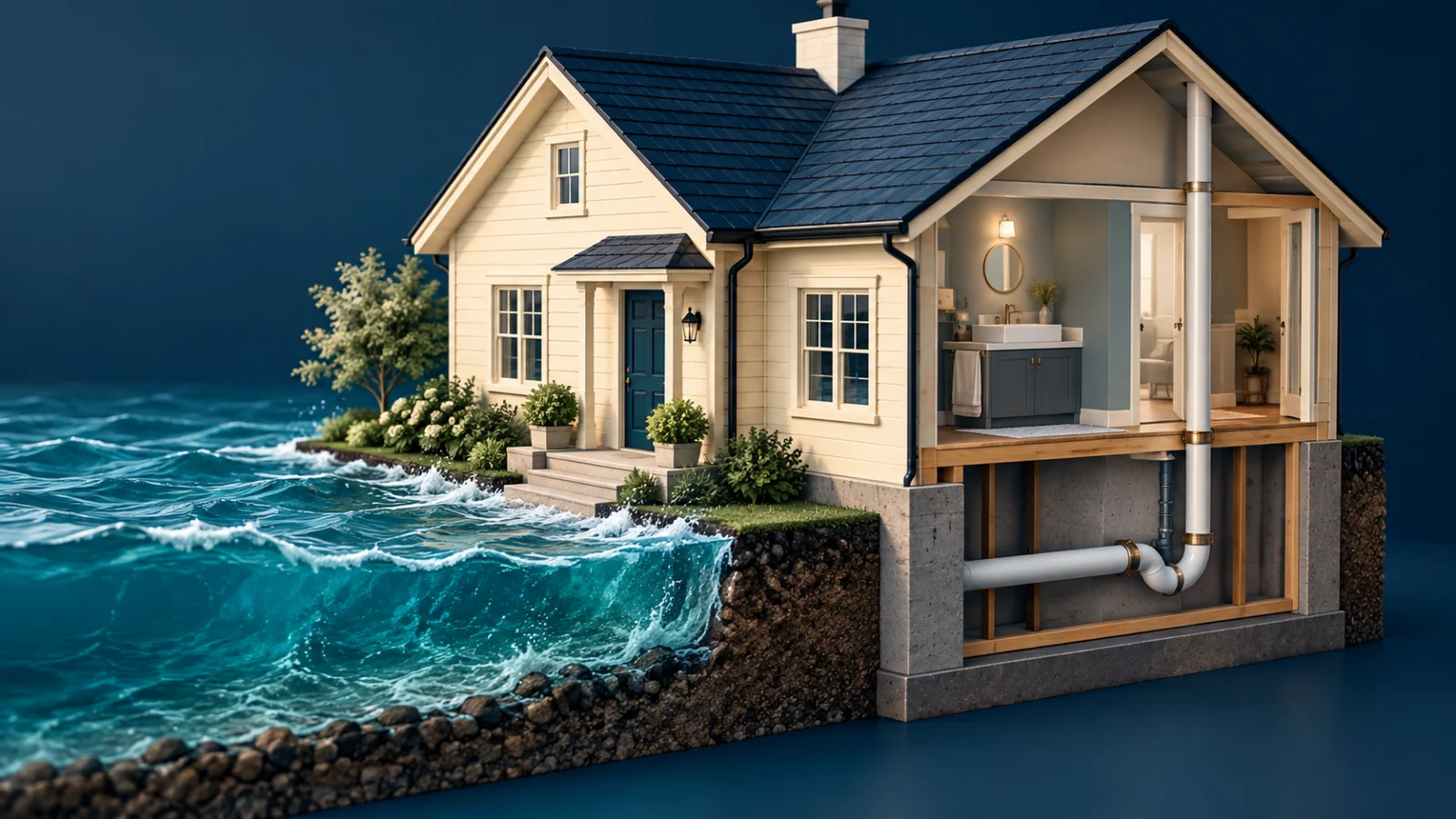
Water damage is not one uniform insurance category. A burst pipe, wind-driven rain and rising external floodwater can raise different coverage questions. Before a loss occurs, identify what the actual homeowners, renters or flood policy covers rather than relying on the everyday meaning of water damage.
Start with the policy distinction
FEMA's National Flood Insurance Program explains that most homeowners policies do not cover flood damage. Separate flood insurance may therefore be relevant. That broad distinction is a reason to investigate, not a determination that a particular property or loss is covered.
Read the applicable definitions, limits and exclusions. An endorsement or separate policy can have its own conditions. Do not assume one policy's wording applies to another or that a lender's requirement describes every risk worth reviewing.
Consider the cause of the loss
NFIP guidance distinguishes external flooding from several other sources of water damage. The cause matters. A photograph of water in a room cannot by itself establish which policy applies or whether all damaged property is eligible.
Ask the insurer or an appropriately licensed professional to explain relevant scenarios before a claim. Keep the answer and policy documents securely. Do not treat a general online explanation as a binding coverage opinion.
Review property-specific exposure
Use current authoritative flood information and qualified local advice where appropriate. Being outside a designated high-risk area does not mean flooding is impossible. Conversely, a map alone does not supply the complete terms or cost of insurance.
Check eligibility, any applicable waiting period and the actual start of coverage. Do not wait until a forecast becomes urgent and assume a new policy will immediately protect the event. Verify current requirements with the responsible program or insurer.
Keep coverage and response separate
Insurance does not replace safe behavior during a flood or other hazard. Follow emergency authorities and avoid entering dangerous areas to document a loss. Once safe, use the appropriate claim instructions and preserve relevant records without inventing a cause.
Key takeaway: identify the source of water, the actual policy and the relevant conditions. Review gaps before a loss and obtain qualified answers to property-specific questions. No article can guarantee coverage, eligibility or a claim payment from a general description of damage.
Sources & further reading
- NFIP: Eligibility and Homeowners Coverage Limitations
- NFIP: Flood and Other Water-Damage Causes
- NAIC: Understanding Homeowners and Renters Policies
Source review: October 29, 2026. U.S.-focused general financial education, not individualized financial, legal, tax or insurance advice. Verify current documents and applicable rules. No real offer, eligibility result, professional review or guaranteed outcome is implied.